September 16, 2026
Harricana 80 – Part II: Blisters and bile
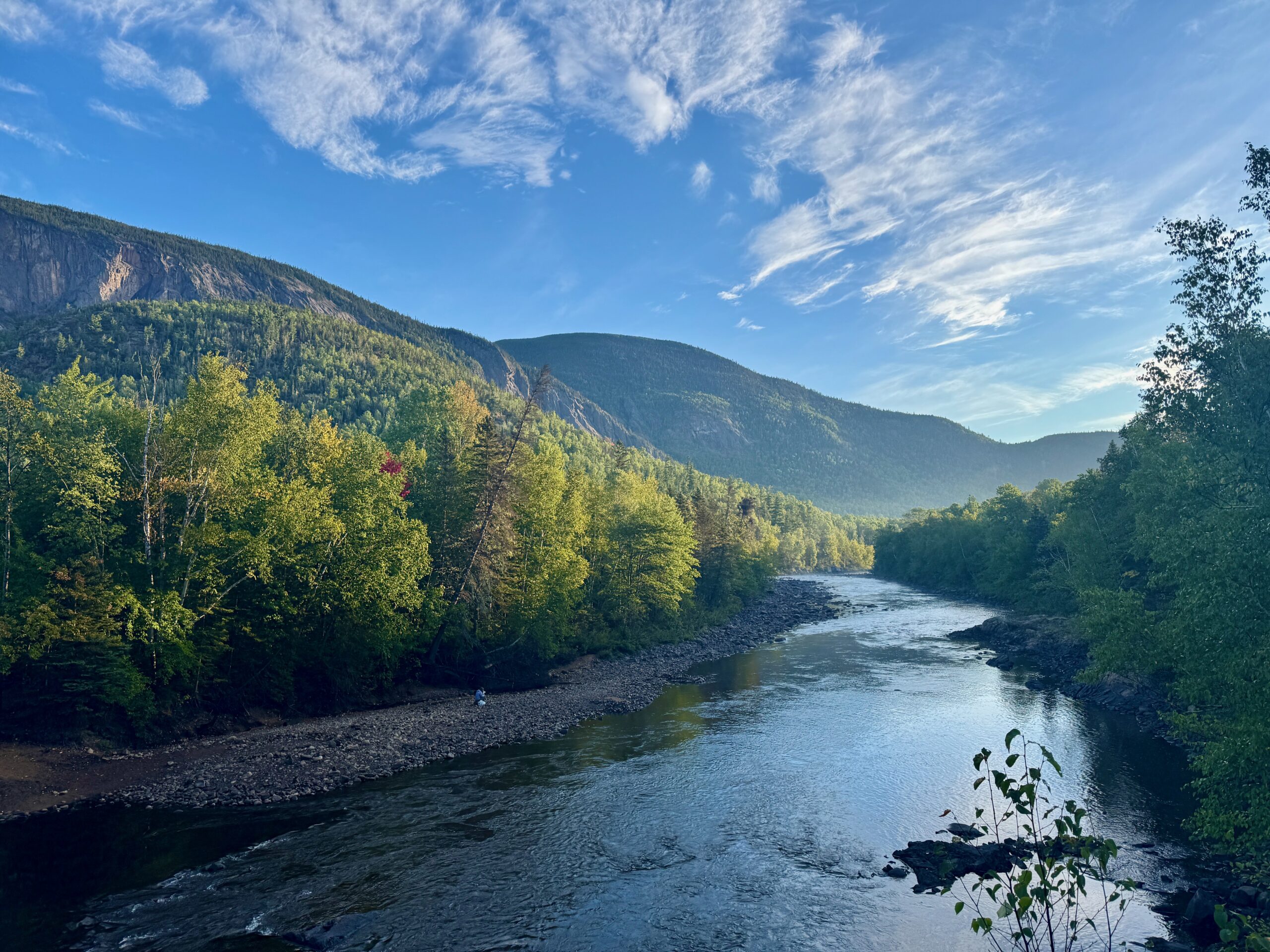
For the first twenty kilometres, everything was suspiciously fine. I was moving well and keeping an honest pace. The morning was beautiful, the scenery in the Parc National des Hautes-Gorges was stunning, and for a little while I was smiling and at peace with the forest despite my lack of preparation. I even started doing mental math to determine my likely finish time if I kept plugging away at the same pace.
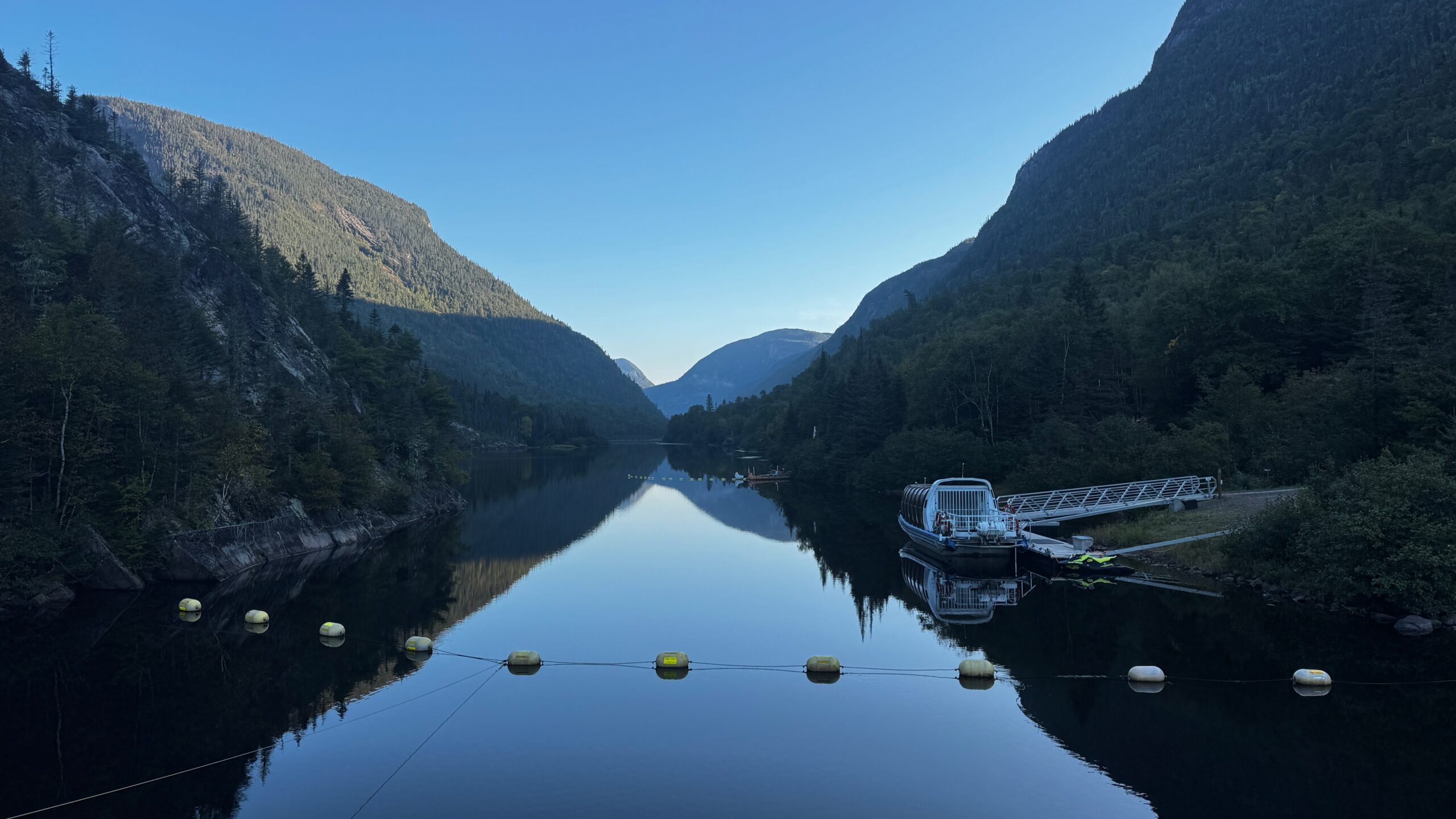
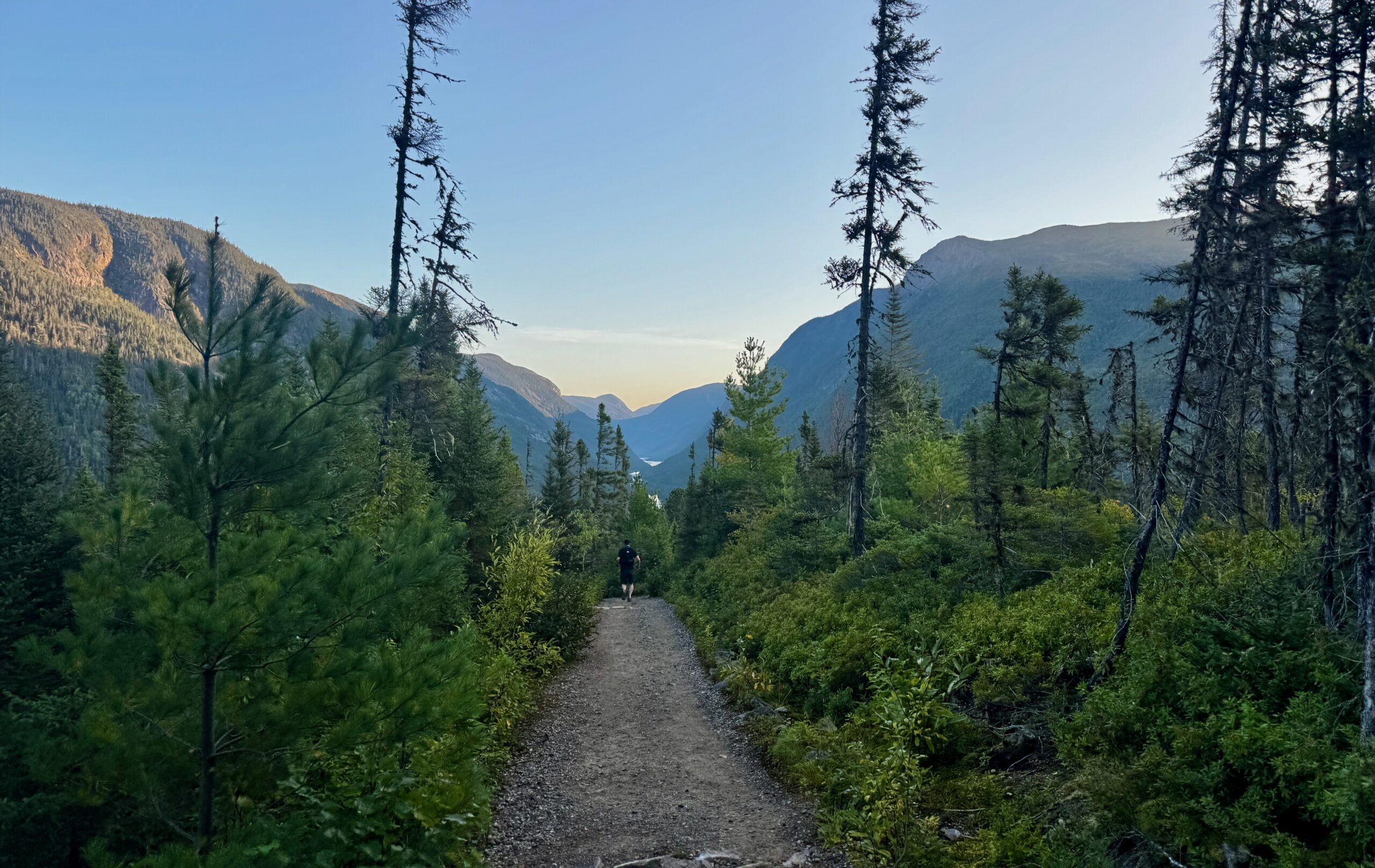
That was a very bad idea in hindsight, because soon after my feet started to hurt. Not badly at first, just the unmistakable little hot spots that serve to warn of brewing blisters. The problem here wasn’t the pain either. It was the math. I had sixty kilometres to go, and the twenty I’d just finished were, by a considerable margin, the flattest and easiest part of the course.
From there, Harricana started slowly chipping away at me. Pace became largely irrelevant as every step hurt. Whatever finish time I might have contemplated earlier that morning disappeared. The trails got harder, the climbing got longer, and every downhill drove my increasingly blistered feet and irritated toenails into the front of my shoes.
Then my stomach went.
This wasn’t entirely unexpected. Nausea and I have become reasonably well acquainted during long races. You’re asking your body to burn an absurd number of calories while simultaneously making it increasingly difficult to put calories back into it, especially when your mouth no longer contains any saliva. Add energy drinks, gels, electrolyte pills, painkillers, too little real food, and hours of sustained exertion and eventually my stomach tends to submit a formal complaint. Usually, I can negotiate some sort of settlement. Tone down the electrolyte drinks. No more pills. Eat what I can. Ease up more on the pace, and it starts to realign. This time, however, negotiations broke down, and by kilometre 55, I was aggressively puking bile on the side of the trail.
There wasn’t much ceremony to it. I’d stop, lean on my poles or against a tree, bend over and heave whatever miserable yellow shit my stomach could still manufacture onto the ground. Then I’d cough and spit a few times and start moving again.
My feet were shredded, everything was sore, I couldn’t eat properly, I felt like absolute shit, and there were still twenty-five kilometres of mountains and technical trails between me and the finish line. Twenty-five kilometres is not very far when you’re happily in the car driving to the airport to pick up an old friend, but at that particular moment, it seemed roughly equivalent to walking to fucking Manitoba.
The vomiting did require a certain amount of strategy. I couldn’t puke at the aid stations. There were medics there, and medics have an irritating tendency to become concerned when an exhausted 58-year-old man with a sunken face and salt deposits on his forehead stumbles into their aid station and starts vomiting bile. So I’d arrive, compose myself, try to look like a person who was merely having a wonderful day in the mountains, eat or drink whatever I thought had some chance of remaining inside me for the next three minutes, and leave as quickly as possible. Then, safely back in the woods and beyond the supervision of responsible adults, I’d start puking again.
By then I was negotiating with myself, the forest, and trees. I was never doing this again. Ever. This wasn’t some temporary declaration made in a moment of weakness. I fucking meant it. There would be no more ultramarathons, no more ridiculous mountain races, no more spending entire Saturdays destroying myself for a medal and a banana. I would become a normal person. I’d improve my golf handicap. I’d work on my gardening skills.
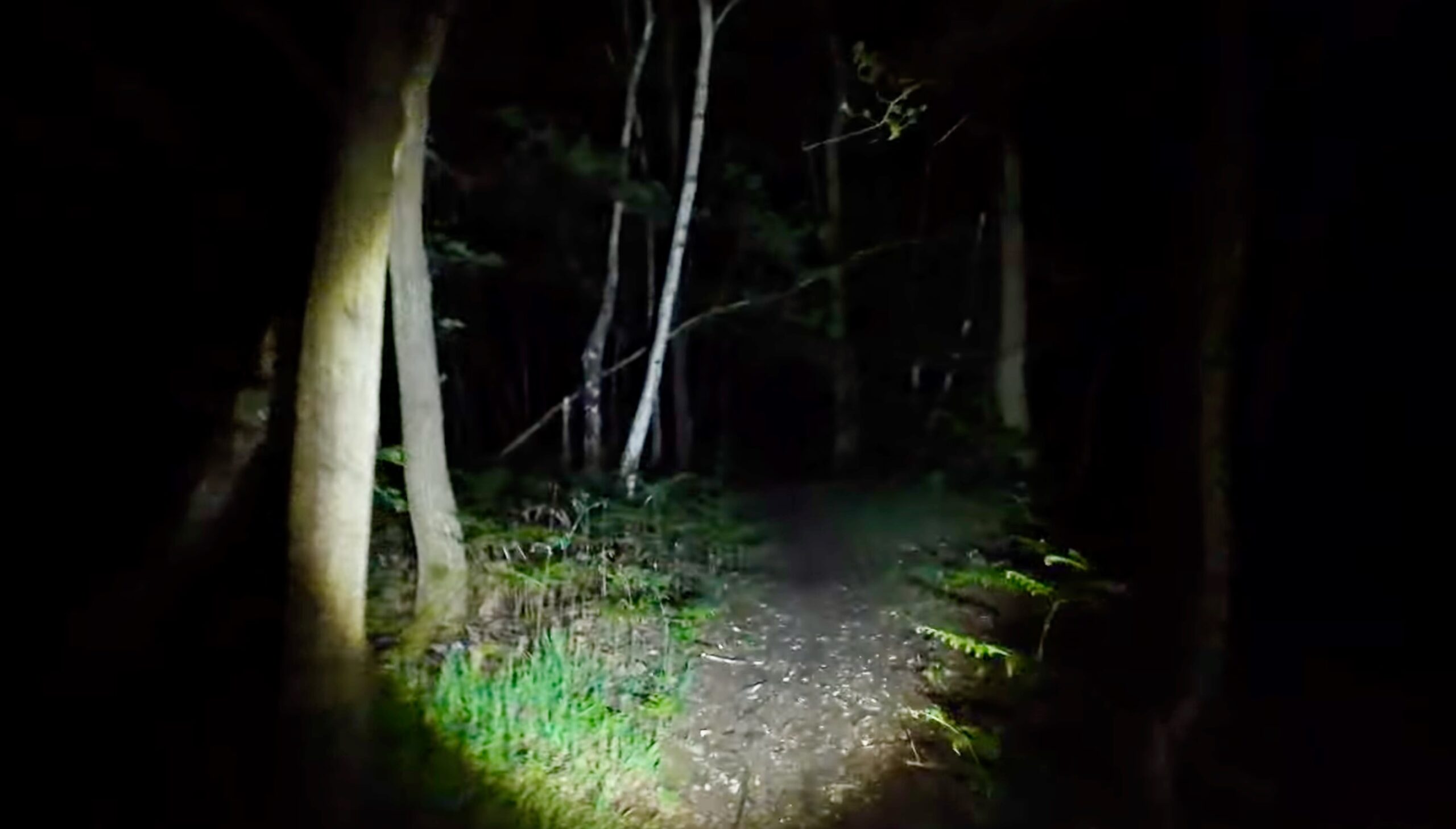
As darkness settled over the mountains more than twelve hours into my run, I reached into my bag, pulled out my headlamp and started to climb the Montagne Noire. Only fifteen kilometres to go, which sounds encouraging until you’re standing at the bottom of a mountain in the dark, completely exhausted, unable to eat, with blistered feet, and a stomach that has spent the last couple of hours trying to turn itself inside out. By then, though, something had changed. I wasn’t thinking about quitting anymore. I didn’t feel better or hadn’t discovered a previously untapped reserve of strength. There was no heroic second wind or inspirational pep talk. I was simply too far into this thing to entertain alternatives anymore, and the world had become very small. The beam of my headlamp illuminated a few metres of trail in front of me. Beyond that was darkness. I no longer needed to think about the top of the mountains or the finish line. I only needed to deal with what was inside that little circle of light. A trail. A rock. A root. A patch of mud. An agitated bear.
All that remained was forward, and forward I continued.